Helping pilots without compromising safety
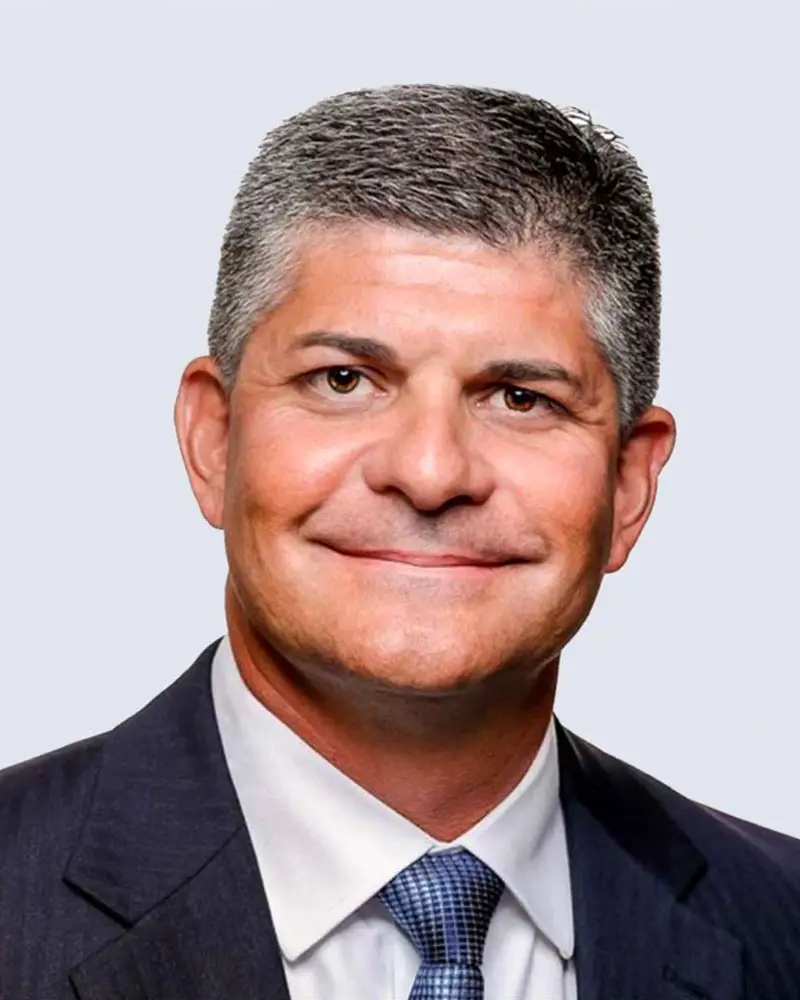
In this episode of the Difference Makers podcast, hosts Dr. Joseph Ramos and Director of Aviation Joe LoRusso sit down with Austin O’Boyle, an award-winning federal lobbyist with Aristotle, to discuss one of the most significant aviation policy efforts in recent years. Working alongside the Pilot Mental Health Campaign (PMHC), Austin has helped guide the Mental Health and Aviation Act through the legislative process with remarkable speed, bringing national attention to an issue that has affected pilots for decades.
Throughout the conversation, Austin explains why current FAA mental health policies often discourage pilots from seeking treatment for common conditions like anxiety, depression and trauma. Rather than reducing aviation safety, he argues that creating a path for pilots to receive care without automatically jeopardizing their medical certification will make flying safer for everyone. The discussion also explores how grassroots advocacy, bipartisan cooperation and thousands of personal stories are helping reshape federal policy and create lasting change for the aviation community.
Key Insights
- Current FAA policies discourage treatment: Many pilots avoid seeking mental health care because they fear losing their medical certification, facing lengthy FAA reviews or putting their careers at risk.
- Mental health treatment improves aviation safety: Allowing pilots to seek care for common conditions like anxiety, depression and trauma helps them perform at their best while maintaining the safety standards that protect the flying public.
- Congress is gaining momentum for reform: The Mental Health and Aviation Act has earned bipartisan support, passed the House unanimously and continues advancing through the Senate with growing industry backing.
- Education is changing perceptions: Much of the effort has focused on helping lawmakers understand that the legislation supports pilots dealing with everyday mental health challenges—not lowering the safety standards required to fly.
- Grassroots advocacy is driving change: The Pilot Mental Health Campaign has built momentum through volunteer advocates, personal stories, congressional meetings, donations and partnerships across the aviation industry.
- Personal stories have become powerful policy tools: Pilots, veterans and families sharing their experiences have helped lawmakers better understand how current FAA policies affect real people and why reform is needed.
- Reform won’t stop with one bill: Beyond the Mental Health and Aviation Act, PMHC plans to continue improving FAA medical processes, increase medication transparency and modernize mental health policies for the aviation community.