Medical Malpractice Stoke Lawyers
Talk With Us TodayColorado Springs
(719) 309-3000Denver
(303) 214-7927Medical Malpractice Stoke Attorneys
Strokes represent one of the most critical and time-sensitive medical emergencies facing global health today. These sudden brain attacks can strike without warning, causing permanent damage or even death within minutes. Understanding strokes—their types, risks, prevention, and immediate respons can be life-saving knowledge, empowering individuals to protect themselves and their loved ones. At Ramos Law, we are dedicated to helping individuals and families affected by strokes caused by medical negligence, ensuring accountability and justice for preventable harm.
What Is a Stroke and Why Is It Dangerous?
A stroke occurs when blood flow to the brain is interrupted, either by a blockage (ischemic stroke) or a rupture in a blood vessel (hemorrhagic stroke). The brain requires a constant supply of oxygen and nutrients, and without them, brain cells begin to die within minutes. Strokes can lead to severe consequences, including:
- Permanent Neurological Damage: Loss of motor function, speech impairments, and memory issues.
- Paralysis: Often affecting one side of the body.
- Cognitive Decline: Difficulty concentrating, solving problems, or processing information.
- Death: Strokes remain a leading cause of death worldwide.
The severity of a stroke depends on its type, location, and how quickly treatment is administered. Immediate medical attention is essential to minimize damage and improve recovery outcomes.
Were You or Someone You Know Affected
How Can Medical Negligence Contribute to Strokes?
Medical negligence can play a significant role in the development or worsening of a stroke. Common examples include:
- Delayed Diagnosis: Failure to recognize early warning signs, such as sudden numbness, confusion, or trouble speaking.
- Improper Treatment: Administering incorrect medications or failing to provide timely interventions like clot-busting drugs.
- Inadequate Monitoring: Neglecting to monitor patients with high risk factors, such as high blood pressure or atrial fibrillation.
- Surgical Errors: Mistakes during brain or cardiovascular surgeries that increase the risk of stroke.
How a Medical Malpractice Attorney Can Help
If you or a loved one has suffered a stroke due to medical negligence, a medical malpractice attorney can be an invaluable ally. Here are the key ways an experienced attorney can assist:
- Comprehensive Case Evaluation: An attorney will review your medical history, records, and treatment details to determine whether the standard of care was violated.
- Identifying Negligence: They can pinpoint where lapses occurred, such as delayed diagnosis, improper treatment, or inadequate monitoring.
- Building a Strong Case: Attorneys gather critical evidence, including expert medical testimony, to demonstrate how negligence led to the stroke.
- Handling Legal Deadlines: Medical malpractice claims are time-sensitive. Your attorney will ensure your case is filed within the applicable statute of limitations.
- Negotiating Settlements: Many cases are resolved through negotiations with insurance companies. A skilled attorney will fight for fair compensation, covering medical expenses, lost wages, and emotional suffering.
- Representation in Court: If a settlement cannot be reached, your attorney will advocate for you in court, presenting a compelling case to achieve justice.
At Ramos Law, we combine legal expertise with a deep understanding of medical practices to guide clients through every step of their case. Our team is dedicated to securing the compensation and accountability you deserve.
Types of Strokes and Their Causes
Ischemic Stroke
Cause: A blood clot or other obstruction blocks blood flow to the brain.
Risk Factors: High blood pressure, high cholesterol, diabetes, and smoking.
Prevalence: Accounts for approximately 87% of all strokes.
Hemorrhagic Stroke
Cause: A blood vessel in the brain bursts, leading to bleeding in or around the brain.
Risk Factors: Uncontrolled high blood pressure, aneurysms, and head injuries.
Complications: Increased pressure in the brain and severe neurological damage.
Transient Ischemic Attack (TIA)
Cause: Often called a “mini-stroke,” this occurs when blood flow to the brain is temporarily blocked.
Symptoms: Similar to a stroke but resolve within 24 hours.
Significance: A warning sign of future strokes; requires immediate medical evaluation.
What to Do If You Suspect Stroke Malpractice
If you believe you or a loved one has been a victim of medical malpractice related to a stroke, it is crucial to act quickly and strategically. Here are key steps to take:
- Document Symptoms and Treatment: Keep detailed records of symptoms, medical visits, and treatments received. This information can serve as critical evidence.
- Request Medical Records: Obtain all relevant medical records, including test results, imaging, and physician notes, to understand the care provided.
- Consult a Medical Malpractice Attorney: Contact an experienced attorney who specializes in medical malpractice cases. They can help assess whether negligence played a role in the stroke and guide you through the legal process.
- Be Aware of Deadlines: Understand the statute of limitations for medical malpractice claims in your state to ensure your case is filed on time.
- Seek Expert Testimony: Your attorney can collaborate with medical experts to strengthen your claim by demonstrating where the standard of care was violated.
Taking these steps can help ensure accountability and provide a path toward justice for preventable harm.
Act FAST
The acronym FAST helps identify and respond to stroke symptoms:
- F: Face drooping
- A: Arm weakness
- S: Speech difficulty
- T: Time to call emergency services
Immediate action can save lives and improve recovery outcomes.
Prevention and Awareness Protecting Brain Health
Preventative Measures
- Healthy Lifestyle Choices: Maintain a balanced diet, exercise regularly, and avoid smoking.
- Regular Medical Check-Ups: Monitor and manage conditions like high blood pressure, diabetes, and cholesterol.
- Know the Warning Signs: Familiarize yourself with stroke symptoms, including:
- Sudden numbness or weakness, especially on one side of the body.
- Confusion, trouble speaking, or difficulty understanding speech.
- Severe headache with no known cause.
Frequently Asked Questions
Medical experts recommend seeking treatment within 3-4.5 hours of symptom onset. Every minute counts, as approximately 1.9 million neurons are lost per minute during a stroke.
Individuals over 55, with a family history of strokes, smokers, overweight individuals, and those with hypertension, diabetes, or heart diseases.
Maintain a healthy diet, exercise regularly, monitor blood pressure, quit smoking, limit alcohol intake, and maintain a healthy weight.
Call emergency services immediately. Observe FAST symptoms and provide this information to medical personnel.
Colorado Locations
Contact Ramos Law
A stroke can be life-altering, but when it results from medical negligence, the impact is even more devastating. At Ramos Law, we are committed to helping victims and their families seek justice.
If you or a loved one has suffered a stroke due to medical errors, contact us today. Our legal and medical expertise ensures we will fight for the compensation you deserve.
Contact Our Medical Malpractice Attorneys
Request a Consultation
Related Posts

Filing a Medical Malpractice Lawsuit in Arizona? Here’s What You Need to Know
Medical malpractice can be one of the most challenging experiences. We entrust doctors, nurses, and other medical professionals to provide the highest standard of care,
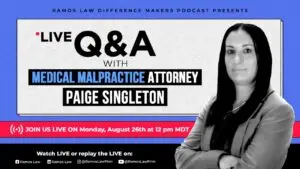
Questions About Medical Malpractice, Answered
Your Questions About Medical Malpractice, Answered In this episode of the Difference Makers podcast, Paige Singleton, Director of Medical Malpractice at Ramos Law, discusses the

Navigating Outrageous Medical Bills and Why You Need Legal Support
The video “Navigating Outrageous Medical Bills: Why You Need Legal Support” addresses the daunting issue of exorbitant medical bills and their significant impact on patients’