Understanding Colorado's Good Samaritan Law: Are You Protected?
You see a crash on I-25 near Castle Rock. A driver is slumped over the steering wheel and smoke is coming from under the hood. You want to help, but a thought flashes through your mind: What if I make it worse? Can I get sued?
Colorado’s Good Samaritan Law exists so that thought never stops you from saving a life. Under C.R.S. 13-21-108, anyone who provides emergency assistance in good faith is generally protected from civil liability, even if something goes wrong while they are trying to help.
But “generally protected” is doing a lot of work in that sentence. Colorado actually has nearly a dozen Good Samaritan statutes covering everything from roadside first aid to overdose response to breaking a car window to rescue a child or dog. Each one has specific rules, specific protections and specific exceptions that matter if you ever find yourself on either side of an emergency.
Here is what you need to know.
Colorado’s Good Samaritan Statutes
at a Glance
Before diving into the details, here is a quick reference for the major Colorado Good Samaritan protections currently on the books:
| C.R.S. 13-21-108(1) | Emergency medical aid by any person, civil immunity |
| C.R.S. 13-21-108(2) | Volunteer rescue unit members |
| C.R.S. 13-21-108(3) | Ski patrol and ski area rescue volunteers |
| C.R.S. 13-21-108.1 | AED/defibrillator use during cardiac emergencies |
| C.R.S. 13-21-108.4 | Rescuing a child, vulnerable adult, cat or dog from a locked vehicle |
| C.R.S. 13-21-108.8 | Furnishing fentanyl test strips (originally enacted in 2022 and amended effective August 7, 2024) |
| C.R.S. 18-1-711 | Reporting a drug or alcohol overdose (criminal immunity) |
| C.R.S. 18-1-712 | Administering naloxone/Narcan (criminal immunity) |
Most people only know about the first one. Understanding the full picture can protect you, whether you are the person offering help or the person who was injured and needs to understand your legal options.
Who Is Protected Under Colorado's Good Samaritan Law?
The core statute, C.R.S. 13-21-108, is intentionally broad. It protects “any person licensed as a physician and surgeon under the laws of the state of Colorado, or any other person” who renders emergency care in good faith. That language covers nearly everyone.
In practical terms, the following people are protected when they provide emergency assistance in Colorado:
Any civilian bystander. You do not need medical training. If you stop at a crash scene on Highway 285 and apply pressure to a wound or help someone stay calm until paramedics arrive, you are protected. The law does not require you to be a professional. It requires you to act in good faith.
Licensed physicians and surgeons acting outside their patient relationships. An off-duty doctor who comes across a rollover accident on I-70 near the Eisenhower Tunnel and provides roadside treatment is protected, as long as the injured person is not already their patient and they are not being compensated.
Volunteer rescue unit members. Under C.R.S. 13-21-108(2), volunteers with nonprofit search and rescue organizations, mountain rescue teams and similar groups are protected. This applies even when the organization recovers its actual costs for the operation.
Ski patrol and ski area rescue volunteers. C.R.S. 13-21-108(3) specifically protects volunteer ski patrol members at resorts like Vail, Breckenridge, Copper Mountain and Winter Park. The law explicitly states that receiving free skiing privileges or other volunteer benefits does not disqualify someone from protection.
Employers. When an employee who qualifies for Good Samaritan protection renders aid during the course of their job, the employer is also shielded from liability.
People who use AEDs. Under C.R.S. 13-21-108.1, a person who uses an automated external defibrillator during a cardiac emergency receives limited immunity. If you grab an AED off the wall at a gym in Broomfield or a trailhead near Golden and use it on someone in cardiac arrest, you are protected.

What Conditions
Must Be Met?
Protection under C.R.S. 13-21-108 is not automatic. Five conditions must all be present:
| Condition | What It Means in Practice |
|---|---|
| Good faith | You genuinely intended to help, not to harm or interfere |
| At the scene | You were at the location of the emergency or accident, including inside a healthcare facility |
| No compensation | You were not being paid to provide this specific care |
| Not your patient | You had no pre-existing medical obligation to this person |
| Not grossly negligent | Your actions were reasonable given the circumstances, even if imperfect |
The “at the scene” requirement is worth noting. Colorado’s statute extends protection to emergencies occurring at healthcare institutions, not just roadsides and hiking trails. This means a physician who happens to be visiting a hospital and assists with an emergency patient they have no obligation to treat can still qualify.
The “no compensation” requirement is about the specific care being rendered, not your employment status. A nurse driving home from a shift who stops at an accident scene is not being compensated for that roadside assistance, even though they were recently on the clock.
The Two Exceptions:
When Good Samaritan Protection Does Not Apply
Colorado’s Good Samaritan Law has two critical exceptions and understanding the difference between them matters.
Exception 1:
Gross Negligence
Ordinary mistakes made in the chaos of an emergency are protected. If you perform CPR and break someone’s ribs, that is a known risk of CPR done correctly. You are protected.
Gross negligence is different. It means conduct showing a substantial lack of care, far below what a reasonable person would exercise in the same situation. Think of it as the difference between making a mistake while trying your best and acting with reckless disregard for the injured person’s wellbeing.
Exception 2:
Willful and Wanton Conduct
This is the higher bar. Willful and wanton conduct means actions purposefully committed that the person must have realized were dangerous, done heedlessly and recklessly without regard for consequences. This essentially means intentional harm or something very close to it.
If someone at an accident scene decides to “treat” an injury by doing something they know is dangerous with no medical justification, that crosses the line from protected mistake to unprotected recklessness.
The Compensation Exception
There is a third limitation that operates differently. C.R.S. 13-21-108(1) explicitly states that the law does not protect anyone who renders emergency care “to a patient he is otherwise obligated to cover.” Paid emergency responders, including EMTs, paramedics and ambulance crews, are held to professional standards. If a paid responder causes additional harm through negligent care, the Good Samaritan Act does not shield them.
This distinction matters in personal injury cases and it is one reason having a legal team that understands medical standards of care (like a firm founded by a physician) can make a significant difference when evaluating what happened during your emergency response.
Colorado's 911 Good Samaritan Law: Drug and Alcohol Overdose Immunity
Separate from the civil liability protections, Colorado has a critical criminal immunity statute that saves lives every day.
C.R.S. 18-1-711, signed into law in 2012, provides immunity from arrest and prosecution for people who report drug or alcohol overdose emergencies. Fear of criminal charges is consistently cited as the primary reason bystanders hesitate to call 911 during an overdose. This law removes that barrier.
Four Conditions for Immunity
To qualify for protection under the 911 Good Samaritan Law, a person must:
- Report in good faith to law enforcement, 911 or a medical provider
- Remain at the scene until a law enforcement officer or emergency medical responder arrives
- Identify themselves and cooperate with responding officers and medical personnel
- The offense must arise from the same events as the overdose emergency
A critical detail: Immunity extends to both the person who calls for help AND the person experiencing the overdose, as long as all four conditions are satisfied. The law was expanded in 2016 to cover underage callers as well, under C.R.S. 18-13-122(7)(a).
What Offenses Are Covered
The 911 Good Samaritan Law provides immunity from prosecution for specific drug and alcohol possession offenses, including unlawful possession of controlled substances, synthetic cannabinoids or drug paraphernalia. It also covers possession of 12 ounces or less of marijuana, underage alcohol or marijuana possession and related minor offenses.
What Is Not Covered
This law does not provide blanket criminal immunity. Drug trafficking, distribution offenses above certain thresholds, DUI charges and any criminal conduct unrelated to the overdose event are not protected. It is also state-level protection only. Federal drug charges operate under separate law, though federal prosecution for simple possession during overdose situations is extremely rare.
The distinction between covered and uncovered offenses is important. If you witness an overdose, the law strongly favors calling 911. The offenses you are protected from are far less serious than the consequences of letting someone die because you were afraid to make the call.
Narcan, Naloxone and Opioid Reversal Immunity
With fentanyl-related overdose deaths remaining a public health crisis across Colorado, the legislature has built multiple layers of legal protection around opioid reversal efforts.
C.R.S. 18-1-712 provides criminal immunity for any person (other than a healthcare provider acting in their professional capacity) who administers naloxone, commonly known by the brand name Narcan, in good faith to someone they believe is experiencing an opioid overdose. This protection was amended in July 2020 to explicitly cover the administration of expired naloxone as well.
C.R.S. 18-1-712.3, amended in 2024, goes a step further. It establishes that the mere possession of naloxone is not indicative of a crime and cannot be used to establish probable cause for a search or arrest. Carrying Narcan cannot get you in legal trouble.
C.R.S. 13-21-108.8, originally enacted in 2022 and amended effective August 7, 2024, provides immunity to people who furnish fentanyl test strips and other non-laboratory drug detection tests. A person or entity that provides these tests in good faith is not liable if the test is defective, expired or produces an inaccurate result.
Naloxone is currently available at Colorado pharmacies without a personal prescription, thanks to statewide standing orders. If you or someone you know may encounter opioid overdose situations, carrying naloxone is both legal and encouraged by Colorado public health authorities.
Colorado's Locked Vehicle Rescue Law
Colorado summers bring intense heat across the Front Range. Even spring and fall sunshine at altitude can make a vehicle interior dangerously hot in minutes. C.R.S. 13-21-108.4, enacted in 2017, provides both civil and criminal immunity for people who break into a locked vehicle to rescue a child, vulnerable adult, cat or dog.
The Seven Conditions
To qualify for immunity, all of the following must be true:
- The vehicle is not a law enforcement vehicle
- An at-risk person or animal is present and you reasonably believe they are in imminent danger of death or serious bodily injury
- The vehicle is locked and forcible entry is necessary
- You make a reasonable effort to locate the owner, documenting the vehicle’s color, make, model, license plate number and location
- You contact law enforcement, fire department, animal control or 911 before forcibly entering the vehicle
- You use no more force than reasonably necessary
- You remain with the at-risk person or animal near the vehicle until a first responder arrives (or, if you must leave, you place a notice on the windshield with your contact information and notify authorities)
A few important details: “Animal” under this statute means a cat or dog only. Livestock is explicitly excluded. “At-risk person” includes at-risk adults, at-risk adults with intellectual or developmental disabilities, at-risk elders and at-risk juveniles as defined under C.R.S. 18-6.5-102.
The criminal immunity component, found in the companion statute C.R.S. 18-1-706.5, specifically covers criminal mischief, criminal trespass and criminal tampering charges that might otherwise result from breaking a vehicle window.
How Good Samaritan Laws Affect Your Personal Injury Case
This is where the conversation shifts from “am I protected if I help?” to “what are my rights if I was the one who got hurt?”
If a Good Samaritan Helped You
Imagine this scenario: You are in a car crash on I-25. A bystander pulls you from the vehicle but in the process they aggravate a spinal injury. Can you sue the bystander?
In most cases, no. If the bystander acted in good faith and was not grossly negligent or willfully reckless, C.R.S. 13-21-108 shields them from civil liability. They were trying to save your life and the law protects that effort even when it causes unintended harm.
But here is the critical point: You can still file a personal injury claim against whoever caused the original accident. The driver who rear-ended you, the trucking company that failed to maintain their vehicle, the property owner whose negligence created a hazard. Good Samaritan immunity protects the person who tried to help you. It does not protect the person who put you in danger.
If Paid Emergency Responders Made Things Worse
EMTs, paramedics and ambulance crews are not covered by Good Samaritan immunity because they are compensated professionals. If a paid responder’s negligent care causes additional injuries, you may have grounds for a claim. Medical malpractice and professional negligence standards apply.
Evaluating whether emergency medical care met appropriate standards requires understanding both the medicine and the law. That intersection is exactly where a firm founded by a physician and attorney can provide insight that most personal injury practices cannot.
Comparative Negligence Still Applies
Colorado’s modified comparative negligence rule, which allows recovery as long as you are less than 50% at fault, applies independently of Good Samaritan protections. Your claim against the at-fault party is a separate legal question from whether a Good Samaritan is immune from suit. One does not affect the other.
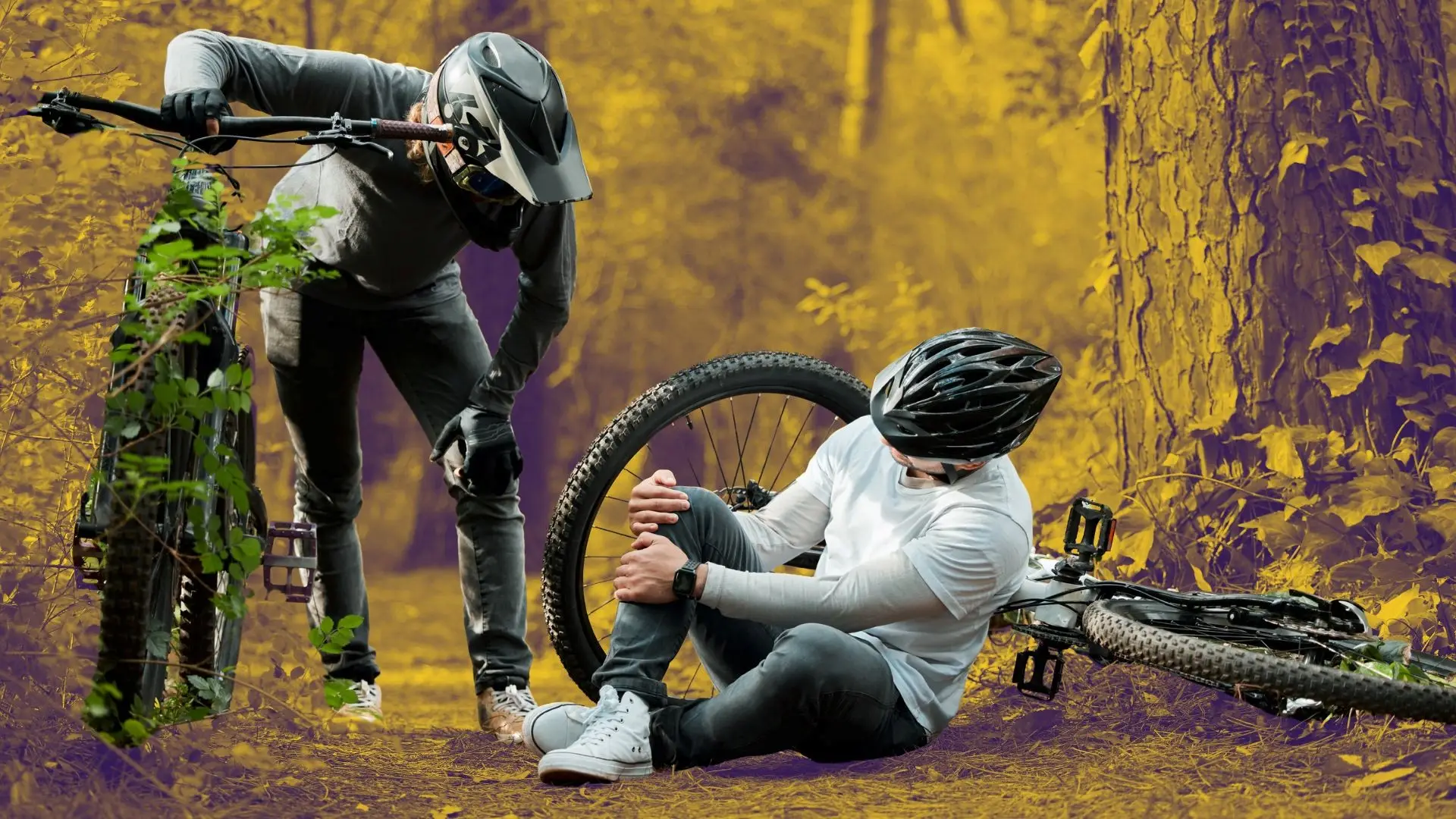
Colorado-Specific Scenarios: Are You Protected?
Crash on I-25 near Castle Rock. You perform CPR on a driver and break several ribs. Protected? Yes. Broken ribs are a common consequence of properly performed CPR. This is good faith emergency assistance.
Ski accident at Copper Mountain. A volunteer ski patrol member splints your broken leg, but the splint is applied incorrectly and causes nerve compression. Protected? Yes, under C.R.S. 13-21-108(3). Volunteer ski patrol members acting in good faith are immune from civil liability.
Overdose at a Denver concert venue. Your friend takes a substance that turns out to contain fentanyl and collapses. You call 911 while holding a small amount of marijuana. Protected from prosecution? Yes, under C.R.S. 18-1-711, for the marijuana possession. You must remain on scene, identify yourself and cooperate.
Child left in a hot car at a Denver parking lot. You see a toddler alone in a locked vehicle on a 95-degree day. You call 911, try to find the owner, document the vehicle information, then break the window. Protected? Yes, under C.R.S. 13-21-108.4, if you followed all seven conditions.
Hiking accident near Hanging Lake. An off-duty nurse on the trail provides first aid to a fallen hiker, stabilizing a compound fracture until Flight For Life arrives. Protected? Yes. Not being compensated for this care and acting in good faith at the scene of an emergency.
AED use at a Broomfield gym. A gym member collapses in cardiac arrest. You grab the wall-mounted AED and use it. Protected? Yes, under C.R.S. 13-21-108.1, which provides immunity for emergency defibrillator use.
What to Do If You Witness an Emergency in Colorado
Knowing the law should make you more confident about stepping in when someone needs help, not less. Here are practical steps:
Call 911 first. This is always the safest starting point. Professional help is on the way and the call itself creates a record of the emergency.
Provide aid within your abilities. You do not need to be a doctor. Applying pressure to a wound, keeping someone calm and still, performing CPR if you are trained and monitoring breathing are all actions the law protects. Do not attempt procedures you have no training in when simpler assistance is available.
Do not move someone with a potential spinal injury unless there is an immediate life-threatening danger like fire, rising water or structural collapse. Spinal cord injuries can be catastrophically worsened by improper movement. If there is no immediate threat, keep the person still and wait for paramedics.
Stay at the scene. Remaining until professional responders arrive protects the injured person and strengthens your legal protection, particularly under the 911 Good Samaritan Law.
Document what happened. When the situation is stabilized, note what you observed and what assistance you provided. This is helpful for both the victim’s medical care and any legal questions that arise later.
Good Samaritan Law FAQ's
Does Colorado require you to help someone in an emergency?
No. Colorado does not have a “duty to rescue” law. You are not legally obligated to provide aid to anyone. The Good Samaritan Law protects people who choose to help, but no one is penalized for deciding not to intervene. Only a handful of states, including Minnesota, Vermont, Rhode Island and Louisiana, impose a legal duty to act.
Can I be sued for performing CPR in Colorado?
In most circumstances, no. If you performed CPR in good faith during a genuine emergency and were not being compensated for the care, you are protected by C.R.S. 13-21-108. CPR frequently causes rib fractures, bruising and other injuries. The law recognizes this and protects rescuers who act reasonably.
Does Good Samaritan protection apply to off-duty doctors and nurses?
Yes. The statute specifically covers licensed physicians and surgeons and extends to “any other person” as well. An off-duty medical professional who stops to help at an accident scene is protected, as long as they are not treating an existing patient and are not receiving compensation for the emergency care.
What if I give someone Narcan and they have a bad reaction?
C.R.S. 18-1-712 provides criminal immunity for administering naloxone in good faith to someone you believe is experiencing an opioid overdose. This includes expired naloxone. The civil Good Samaritan protections of C.R.S. 13-21-108 would also apply to emergency naloxone administration at the scene of an overdose.
Can I break a car window to save a child or dog in Colorado?
Yes, under C.R.S. 13-21-108.4, but you must meet all seven conditions outlined in the statute. The most commonly overlooked requirements are contacting law enforcement or 911 before making entry and documenting the vehicle’s identifying information. Meet all seven conditions and you are protected from both civil and criminal liability.
Does the 911 Good Samaritan Law protect me from all drug charges?
No. It covers specific possession-related offenses only: controlled substance possession, drug paraphernalia, small amounts of marijuana and underage alcohol or marijuana consumption. Drug trafficking, distribution above statutory thresholds, DUI and other criminal conduct are not covered, even if they occur during an overdose event.
Can I still file a personal injury claim if a Good Samaritan made my injuries worse?
It depends on the circumstances. If the Good Samaritan acted in good faith and their conduct was not grossly negligent or willfully reckless, the law likely shields them from your claim. However, you can still pursue a claim against the person or entity that caused the original accident or injury. A personal injury attorney can evaluate the specific facts of your case.
Does Colorado have a "duty to rescue" law?
No. Colorado does not penalize bystanders for choosing not to help. The Good Samaritan statutes only create protections for people who do intervene. There is no legal requirement to act.
Talk to a Colorado Personal Injury Attorney
Good Samaritan laws protect the people who step up during emergencies, and Colorado has some of the most comprehensive protections in the country. But these laws also create important legal questions when injuries are involved, particularly around who can be held liable and who cannot.
If you were hurt in a Colorado accident, understanding the full picture matters. The person who caused your injuries is not shielded by Good Samaritan immunity. Neither are paid emergency professionals who fail to meet their standard of care. Your right to pursue compensation for your injuries remains intact.
Ramos Law was founded by Dr. Joseph Ramos, a physician and attorney who understands both the medical realities of emergency care and the legal framework that surrounds it. Whether your case involves a car crash on the Front Range, a fall at a ski resort or an injury complicated by emergency response, our team can help you understand your options.
Free Consultation

Disclaimer: This article is for informational purposes only and does not constitute legal advice. Colorado laws may change and individual circumstances vary. Consult with a qualified attorney about your specific situation.