Breaking: C-GNJZ Crashes on Runway After Receiving Initial Clearance from Air Traffic Control
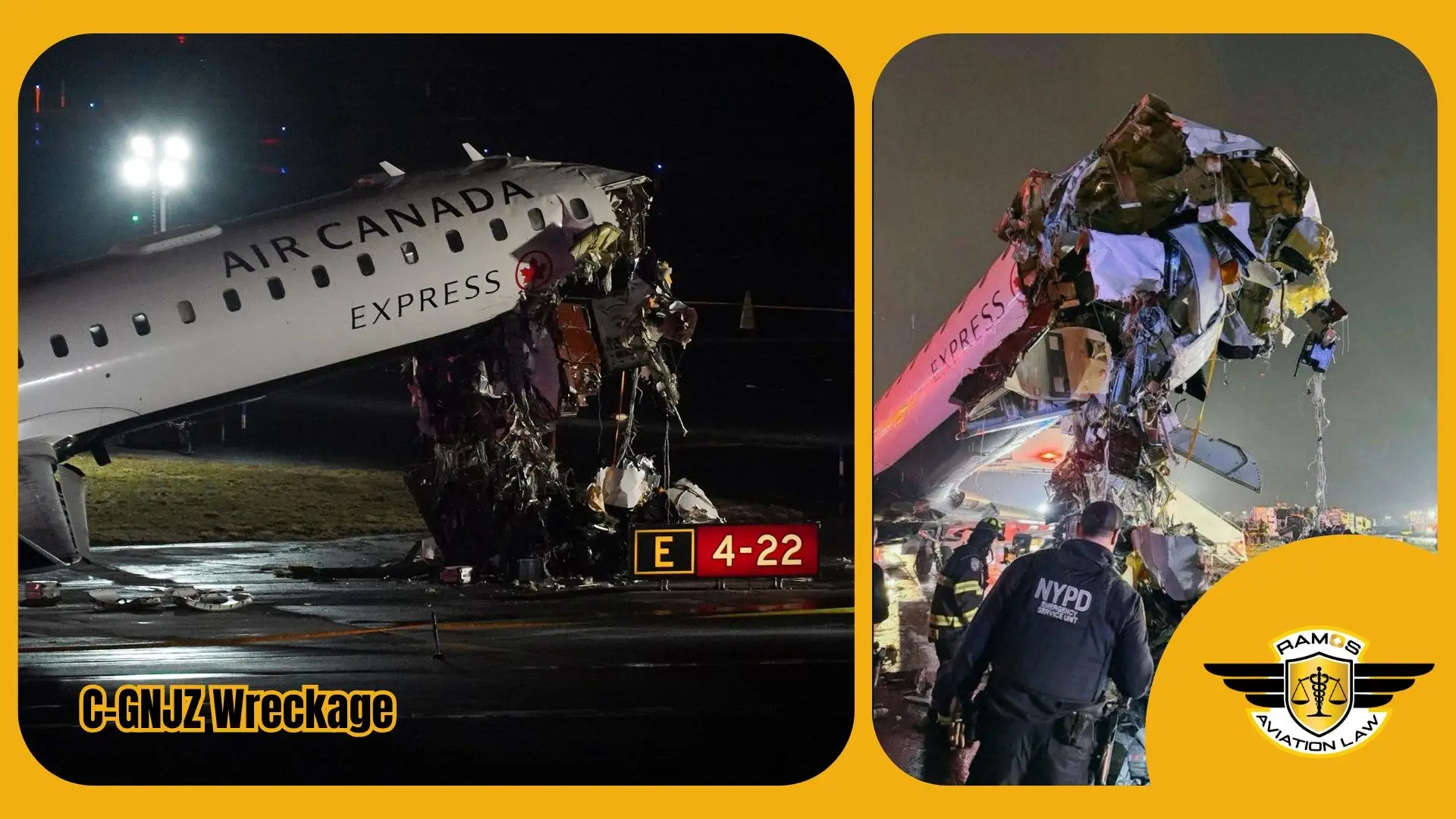
On the night of March 22, 2026 at 11:37 p.m. local time, an aviation accident unfolded at New York’s LaGuardia Airport when a regional commercial jet collided with an aircraft rescue and firefighting (ARFF) vehicle on an active runway.
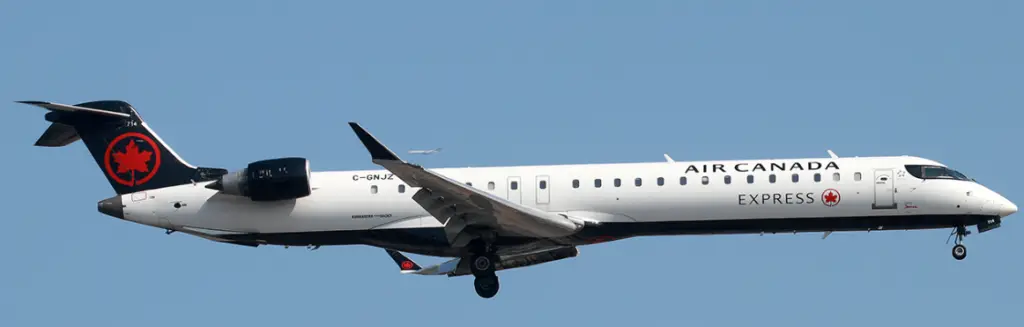
According to preliminary reports, the aircraft—a Bombardier CRJ-900 operating as Air Canada Express—struck a fire truck that had entered the runway while the jet was landing. The collision resulted in the deaths of both pilots onboard and injuries to dozens of passengers and emergency personnel.
At least 39 passengers were transported to local hospitals, along with multiple occupants of the fire truck. The total number of individuals onboard the aircraft at the time of the crash was reported to be 76.
A Tragic Loss
Before examining the technical aspects of the crash, it is important to recognize the human toll.
Both pilots aboard the aircraft were killed in the collision. Dozens of passengers and emergency responders sustained injuries (some serious) as a result of the impact.
On behalf of the aviation team at Ramos Law, we extend our deepest condolences to the families and loved ones of those who lost their lives, and to all those affected by this devastating event.
The Victims: Pilots, Passengers and Firefighters
The two pilots who lost their lives in the collision have been reported to be Antoine Forest and Mackenzie Gunther.
While officials have not yet formally released their names, Canadian media outlets and individuals familiar with the crew have reported their identities. Port Authority Executive Director Kathryn Garcia confirmed Monday that both pilots were based in Canada and died as a result of the crash.
Forest’s hometown of Coteau-du-Lac, Quebec, issued a public tribute honoring his life and extending condolences to his family.
Pilots Credited with Saving Lives
Despite the tragic outcome, the actions of the flight crew are being credited with preventing a far greater loss of life.
Reports indicate the pilots took immediate action in the final moments before impact, applying aggressive braking in an attempt to reduce the force of the collision. Their actions may have helped limit the severity of the crash and protect the passengers and remaining crew onboard.
Injuries and Hospitalizations
More than 40 individuals were taken to area hospitals following the crash, most with minor injuries. Many have since been released, although several remain hospitalized with more serious conditions.
Firefighters Injured in the Collision
Two firefighters involved in the incident were transported to NewYork-Presbyterian Queens for treatment.
According to union officials:
- Officer Adrian Baez was treated and released from the hospital on Monday
- Michael Orsillo remains hospitalized
Both are members of the Port Authority’s aircraft rescue and firefighting (ARFF) unit.
A spokesperson for the Port Authority Police Benevolent Association described the unit as one of the most active and highly trained airport firefighting teams in the country.
Inside the ARFF Response
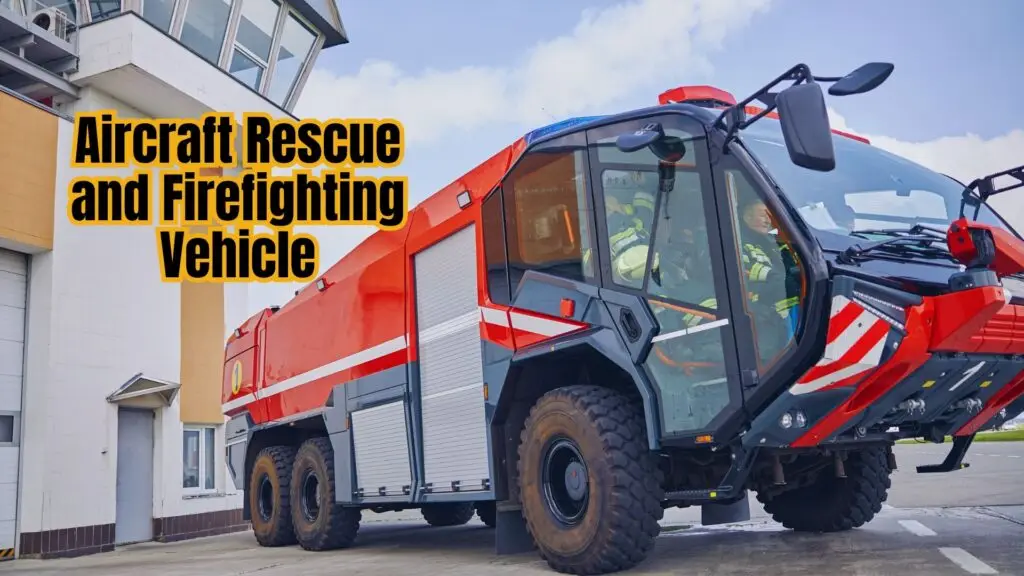
ARFF vehicles are significantly larger and more specialized than standard fire trucks. Some weigh up to 90,000 pounds and are equipped with firefighting foam, dry chemical agents and advanced suppression systems designed specifically for aviation-related fires.
“These are massive vehicles—some with tires taller than a person,” the spokesperson explained. “They’re built for aircraft emergencies, but they’re no match for a landing jet.”
The vehicle involved in the crash (identified as “Truck 1”) was the lead unit in a line of responding emergency vehicles.
Impact and Immediate Response
Initial reports suggest the aircraft struck the fire truck from the side. Officials noted that the outcome for the firefighters could have been even more severe had the aircraft impacted the cab directly.
Because multiple ARFF units were already en route behind the lead vehicle, emergency crews were able to respond almost immediately after the collision.
What began as a devastating crash quickly transitioned into a large-scale rescue operation, one that, according to officials, likely helped prevent additional loss of life among passengers.
What Happened: Timeline of the Collision
Collision on Runway 4
According to early data and aviation tracking information, the CRJ-900 was on final approach to Runway 4 at LaGuardia Airport when the collision occurred at approximately 11:37 p.m. local time.
The aircraft, registered as C-GNJZ and operated by Jazz Aviation on behalf of Air Canada Express, was traveling at an estimated approach speed of approximately 114 knots (or 131 mph) at the moment of impact.
At the same time, an ARFF fire truck was crossing Runway 4 at Taxiway Delta in response to a separate aircraft emergency involving a Boeing 737 MAX 8 that had reported a concerning odor after two aborted takeoffs.
Air Traffic Control Communications
Recordings of air traffic control communications indicate that the fire truck, identified as “Truck 1 and Company,” was initially cleared to cross the runway by a controller who was managing both ground and tower operations.
Shortly thereafter, the controller recognized a developing conflict with the inbound CRJ-900 on short final approach. Multiple urgent instructions were issued:
“Stop, stop, stop… Truck 1, stop!”
Despite these repeated commands, the fire truck continued onto the runway and into the path of the landing aircraft. The collision occurred near the intersection of Taxiway Delta and Runway 4.
Observations from an Aviation Attorney & Pilot
In a preliminary analysis of the accident, Ramos Law’s Director of Aviation, Joseph LoRusso, provided insight into the sequence of events and key investigative questions.
“This is a highly unusual and catastrophic runway incursion event involving both an aircraft and a ground emergency vehicle,” LoRusso explains. “From what we know so far, the aircraft was on short final while an ARFF vehicle was cleared to cross the same runway.”
LoRusso emphasizes that the situation evolved rapidly and that multiple layers of safety systems are designed to prevent exactly this type of occurrence.
“The controller did issue a clearance initially, but then quickly realized the conflict and attempted to stop the vehicle multiple times. Unfortunately, there was no response, and the vehicle did not stop.”
Understanding ARFF Vehicles and Runway Operations
The fire truck involved was not a typical municipal vehicle: it was an Aircraft Rescue and Firefighting (ARFF) unit, specifically designed for rapid response to aviation emergencies.
These specialized vehicles:
- Carry thousands of gallons of water and fire-suppressing foam
- Are operated entirely from within the cab
- Are deployed for high-risk airport emergencies involving commercial aircraft
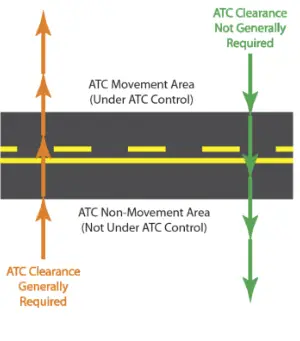
“ARFF vehicles are critical for airport safety,” LoRusso explains. “But like any vehicle operating in a movement area, they must comply with air traffic control instructions and visual runway safety systems.”
Runway Safety Systems: Clearances and Stop Bars
Airports like LaGuardia rely on multiple layers of protection to prevent runway incursions:
1. Air Traffic Control (ATC) Clearance
Vehicles and aircraft must receive explicit permission to enter or cross active runways.
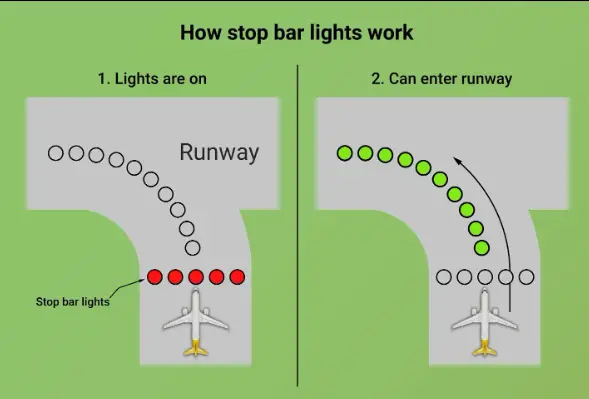
2. Stop Bar Lighting Systems
Red stop bar lights act as a visual barrier at runway entry points.
“Even if you receive clearance from ATC, if the stop bar is illuminated red, you are required to stop,” LoRusso notes. “It functions like a second layer of authorization.”
At this time, it remains unclear whether the stop bar lighting system was active at the moment the fire truck entered the runway.
Key Questions Investigators Will Examine
The National Transportation Safety Board (NTSB), along with the Federal Aviation Administration (FAA), has launched a full investigation into the incident.
Key areas of focus will likely include:
- Air traffic control procedures and workload
- Fire truck operator response and situational awareness
- Stop bar lighting status and visibility conditions
- Cockpit voice recorder (CVR) and flight data recorder (FDR)
- Whether a go-around was possible for the flight crew
- Communication breakdowns between ATC and ground vehicles
Weather conditions at the time included rain, reduced visibility (approximately 4 statute miles) and low cloud ceilings, all of which may have impacted visibility and reaction time.
Legal Implications: A Complex Case
According to LoRusso, this case presents a number of complex legal issues involving multiple potential parties.
Federal Liability and the FTCA
Claims involving air traffic controllers fall under the Federal Tort Claims Act (FTCA), which generally makes the federal government the proper defendant in negligence cases involving federal employees.
However, the FTCA includes strict procedural requirements and limitations on liability.
Governmental Immunity for Emergency Responders
State-level immunity laws may also apply to the fire truck operators and airport authority personnel.
“Many states impose very short deadlines, sometimes as little as 90 days, to file a notice of claim,” LoRusso explains.
There may be exceptions to immunity depending on the circumstances, particularly involving vehicle operation.
Multiple Layers of Liability
Potential legal claims could involve:
- Air traffic control actions
- Airport operations and safety systems
- Emergency vehicle operation
- Aircraft operator liability
“This is a case with significant legal nuance,” says LoRusso. “There are multiple layers of responsibility that will need to be carefully examined.”
Potential Legal Claims After Ground Collision Incidents
Incidents involving aircraft and ground vehicles can present complex legal issues, often involving multiple parties.
Potentially liable entities may include:
- Airport authorities or operators
- Ground service companies
- Vehicle operators
- Air traffic control (in rare cases involving error)
- Airlines or flight crews
“These cases are rarely straightforward,” LoRusso explains. “You’re dealing with overlapping responsibilities between federal control systems, private contractors and airline operations.”
Victims (including injured workers, passengers or others affected) may have claims depending on the findings of the investigation.
NTSB Investigation Timeline May Be Accelerated
Unlike many aviation accidents, this incident involves both fatalities and significant public attention.
As a result, the NTSB is expected to take a more active, on-scene investigative role.
“Because of the severity and visibility of this crash, we may see a faster investigative timeline,” LoRusso notes.
A preliminary report could be released within days, with a final report potentially completed within 6 to 12 months, faster than typical aviation accident timelines.
A Preventable Tragedy
While the investigation is still in its early stages, one fact is clear: This type of collision should not occur.
“There are multiple redundancies in place specifically designed to prevent runway incursions,” LoRusso explains. “When those layers fail, the results can be catastrophic.”
We Will Continue to Monitor This Story
The investigation remains ongoing as authorities work to determine exactly what led to this devastating collision. Ramos Law’s Aviation Division will continue to monitor developments and provide updates as more information becomes available.
If you or your family have been affected by an aviation accident and have questions about your legal rights, our team is available for a confidential consultation.
Our thoughts remain with the victims, their families and all those impacted by this tragedy.
Note: All reported details are preliminary and based on witness reports or publicly available information. Official findings will be determined by the investigating authority.
C-GNJZ Crash Flight Details
Aircraft Type: Bombardier CRJ-900LR
Owner/Operator: Air Canada Express, opb Jazz
Registration: C-GNJZ
Date: Sunday 22 March 2026
Time: 23:37 local (03:37 UTC)
Location: New York-La Guardia Airport, NY (LGA/KLGA)
Departure Airport: Montreal-Pierre Elliott Trudeau International Airport, QC (YUL/CYUL)
Phase of Flight: Landing
Occupants: 76
Fatalities: 2
Injuries: At least 39 passengers and two ARFF personnel
Aircraft Damage: Destroyed
Piper PA-28-140 Cherokee FAQ's
What caused the LaGuardia runway collision?
The exact cause has not yet been determined. Preliminary information suggests a runway incursion involving a fire truck that entered the runway while the aircraft was landing.
Were there fatalities?
Yes. Both pilots onboard the Bombardier CRJ-900 were killed in the collision.
Why was the fire truck on the runway?
The ARFF vehicle was responding to a separate aircraft emergency involving another plane that had aborted takeoff.
Who is investigating the crash?
The NTSB is leading the investigation, with assistance from the FAA.
Can victims pursue legal action?
Potentially, yes. However, claims involving federal agencies and government entities are subject to complex laws such as the Federal Tort Claims Act and state immunity statutes.
Since this was an international flight, does the Montreal Convention apply?
Yes. Because the Air Canada Express flight originated in or was operated to another country, the Montreal Convention likely governs liability for passengers and crew. This means that the airline may be held liable for injuries or fatalities under the treaty, and claims for compensation will follow the rules and limits established by the Convention.
It’s important to note that while the Convention sets minimum compensation standards, victims or their families may still pursue additional claims under national laws if negligence can be shown.
About Joseph LoRusso, Esq.
Joseph LoRusso is the Director of Aviation at Ramos Law and a nationally recognized aviation attorney with more than 20 years of hands-on flight experience. A professional flight instructor and Airline Transport Pilot, Joseph brings a rare dual perspective to every case—combining deep technical aviation knowledge with strategic legal advocacy for pilots, operators and crash victims.
Joseph holds multiple type ratings, including Learjet, Citation, Phenom 300E, Gulfstream GV (SIC), and L382 (C130) (SIC) and has flown complex missions as an atmospheric research pilot, including NASA’s 2018 CAMP2EX global campaign. Whether analyzing aircraft performance, regulatory compliance or crash causation, Joe approaches every case with precision, credibility and an unwavering commitment to achieving results for his clients.
Contact Ramos Law
Ramos Law’s Aviation Division focuses exclusively on aviation-related matters, including aircraft crashes, FAA enforcement actions, certificate issues and complex regulatory and operational cases. The practice is led by attorney Joseph LoRusso, a licensed pilot with real-world flight experience and deep knowledge of aviation regulations.
Our team understands the technical, operational and legal issues unique to aviation incidents. If you or your family has been affected by an aviation crash or regulatory matter, contact Ramos Law to speak with an aviation attorney who understands the industry.
Disclaimer: This article is intended for informational purposes and is based on preliminary reports and publicly available sources. Aviation accident investigations are conducted by the FAA and NTSB, and the official findings and probable cause will be determined by those agencies following a full investigation.
Experts in Aviation Law
Aircraft Crashes
Pilot Certificate Defense
FAA Medical Denial
FAA DUI Reporting
Civil Penalties
NTSB Appeals
And More!